 Skip to content
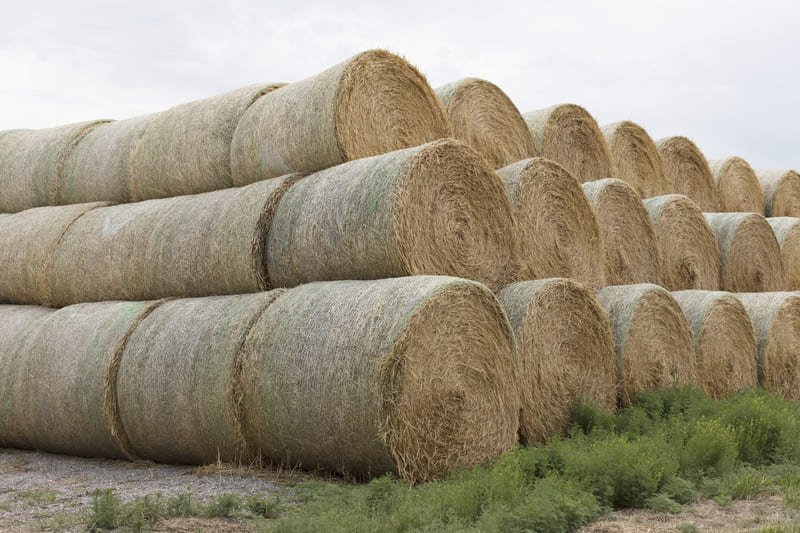
Bale Net Wraps
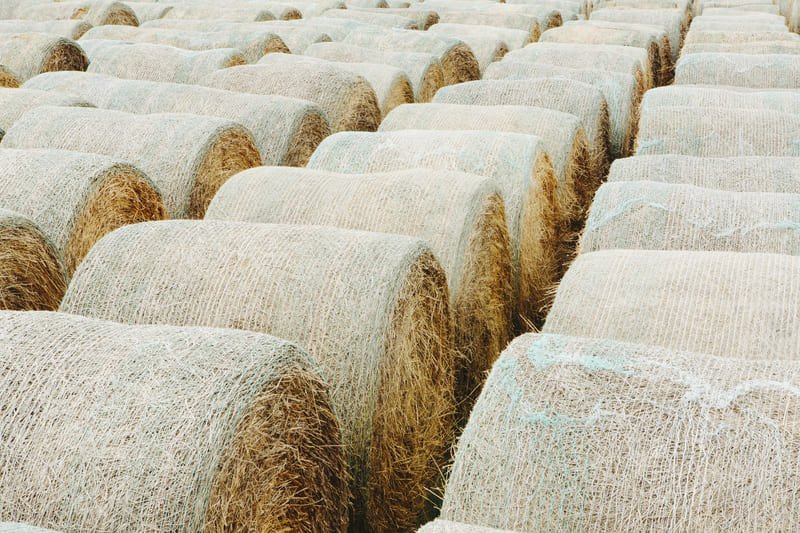
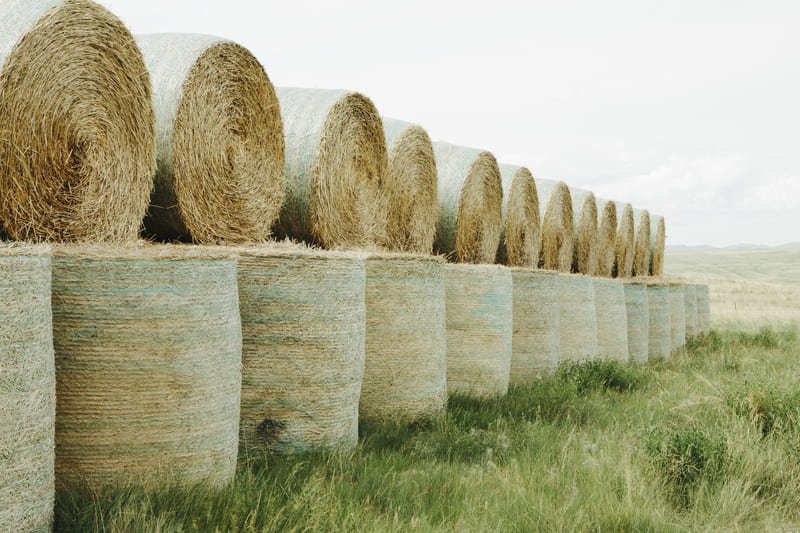
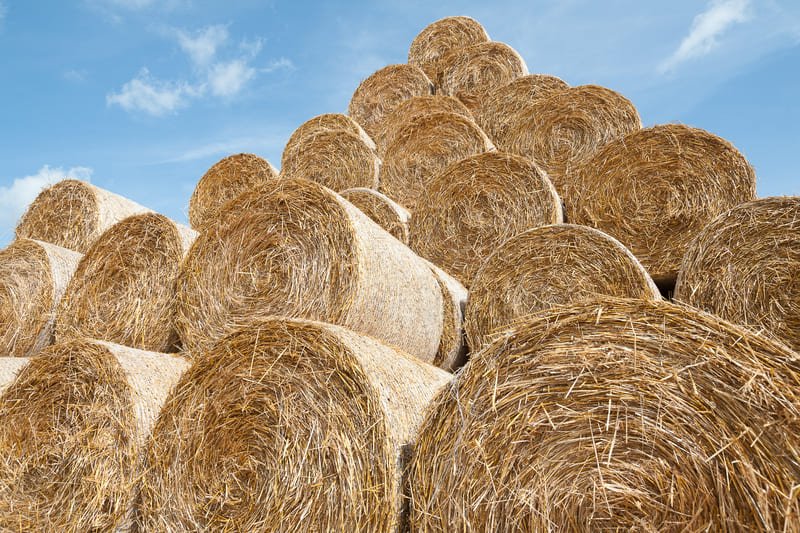
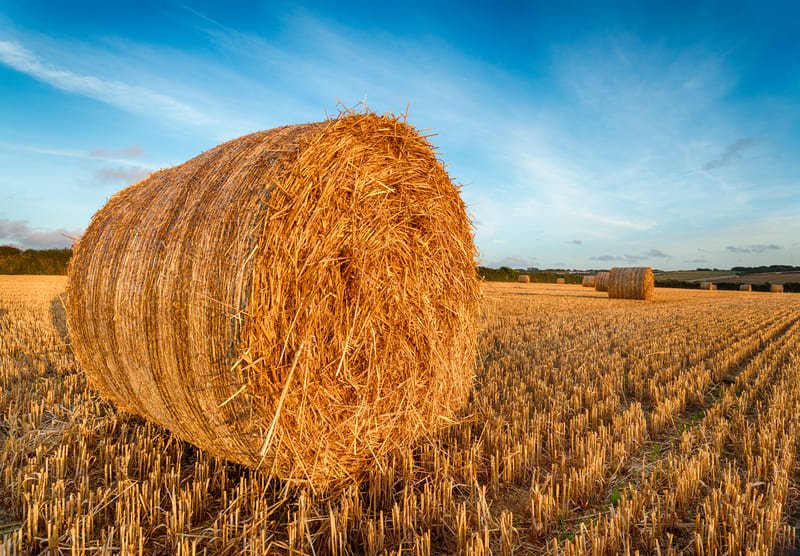
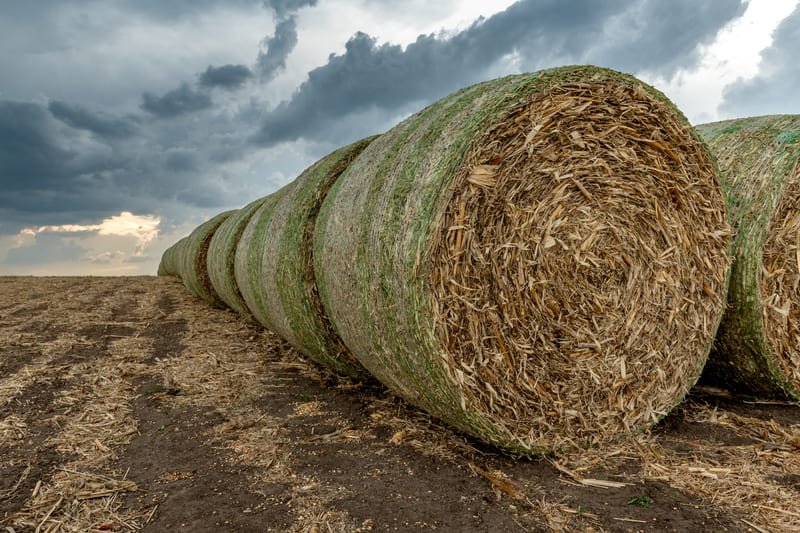
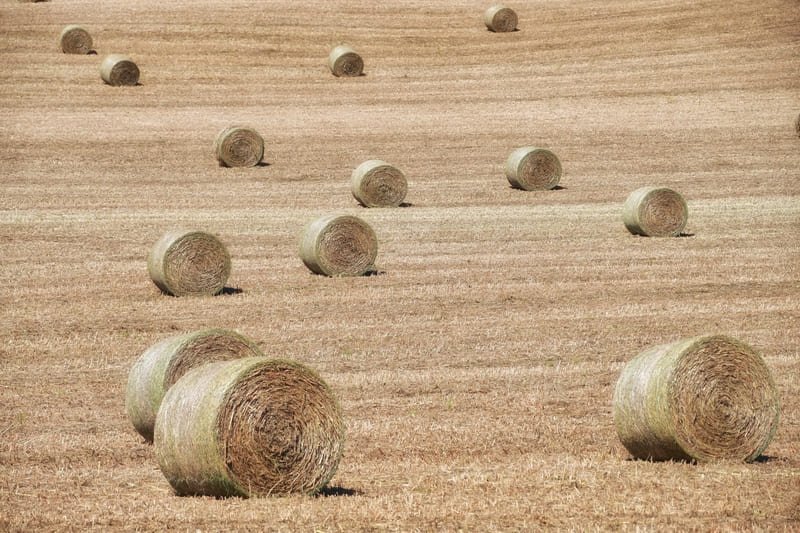
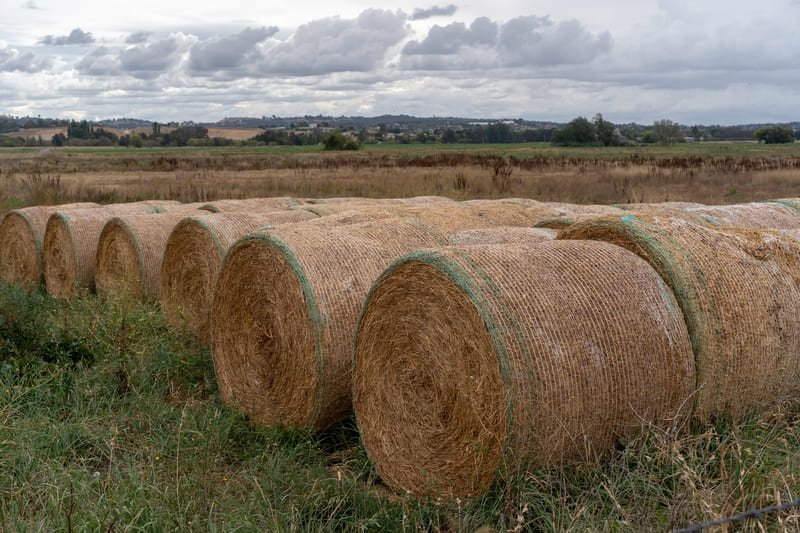
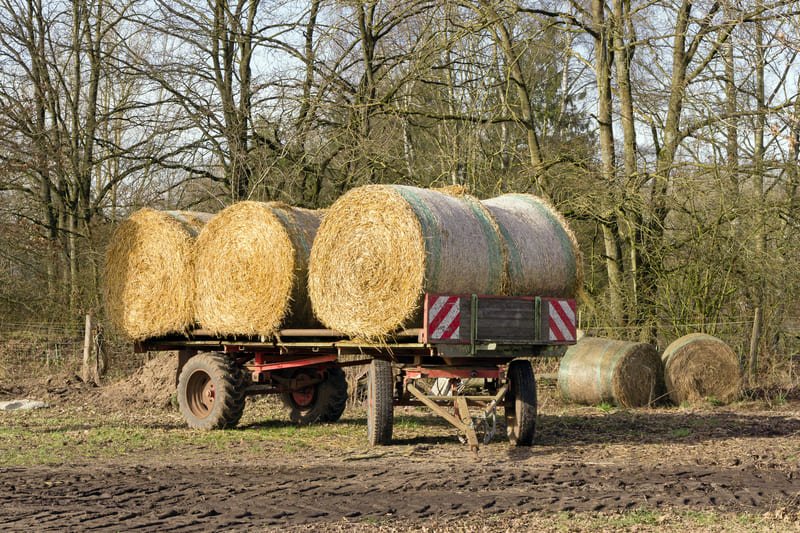
Bale net is a specialized agricultural netting material designed to securely wrap and protect round bales of hay, straw, and silage. Constructed from high-density polyethylene (HDPE), often with UV stabilizers, bale net provides uniform coverage across the bale, ensuring it retains its shape and quality. The primary function of bale net is to maintain bale integrity during handling, transport, and storage, preventing crop loss and damage from environmental elements. It enhances operational efficiency by providing a reliable, easy-to-apply solution that adapts to various baling conditions and crop types, ultimately safeguarding the harvested crops for optimal use.
Table Of Contents For This Page
Introducing all aspects of bale netwraps can be challenging, so we have gathered extensive information on this page for you to explore. To help you quickly locate the details you need, we have provided a content directory that allows you to jump directly to the relevant sections with a click.
Applications of Bale Nets
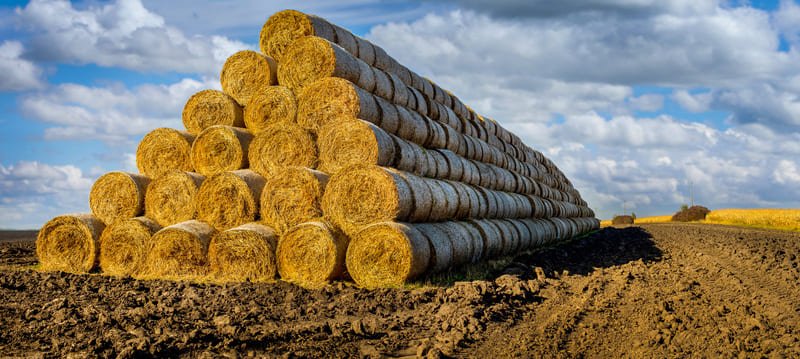
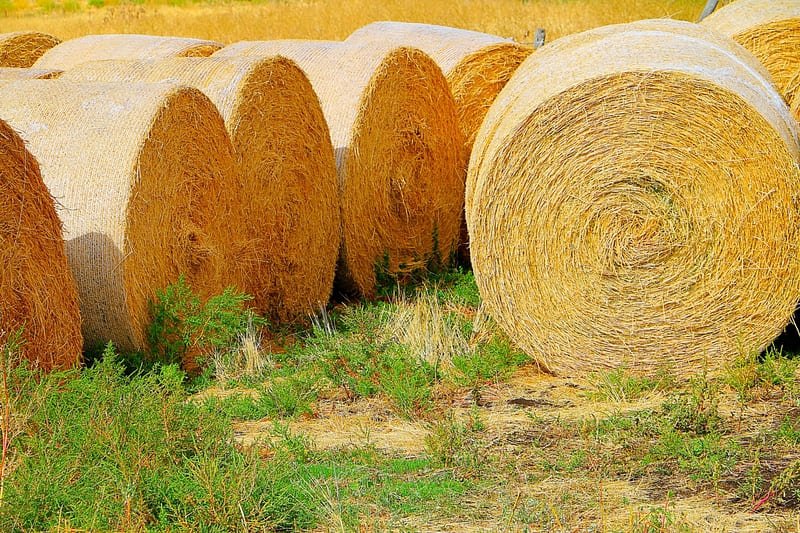
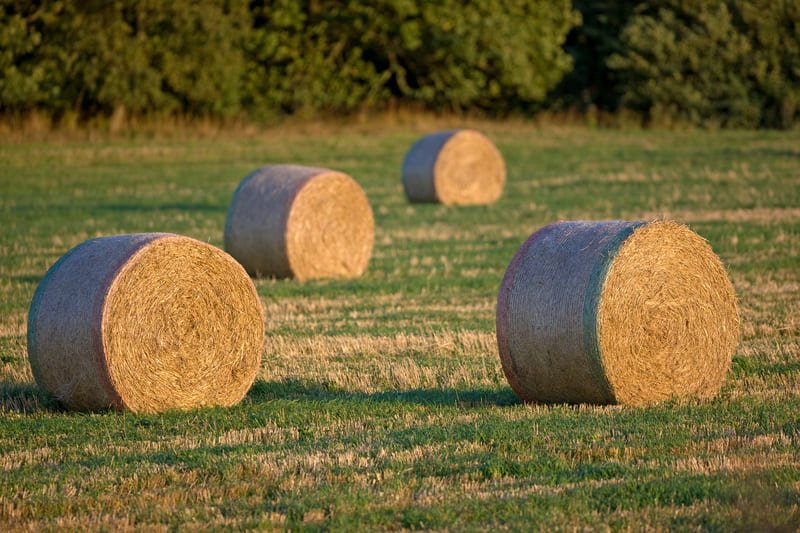
Your Best Choice for Round Bale Nets


Features & Benefits
- Unique extrusion and knitting technology ensures uniform structure and superior strength.
- Compatible with all round balers for versatile use.
- Total cover technology provides complete coverage across the bale.
- Maximum resistance to cope with all types of crops, bale densities, and sizes.
- High durability withstands repetitive handling and stress.
- UV-stabilized for long-lasting protection against sunlight.
- End-of-roll warning system prevents operational interruptions.
- Pallet cradles offer secure storage and easy handling.
- Easy application with various baling machines enhances operational efficiency.
- Customization options in lengths, widths, and colors to meet specific needs.
- Improves bale quality by protecting from moisture and environmental factors.
- Cost-effective due to reduced need for frequent replacements.
- Supports sustainable farming practices with durable, eco-friendly materials.
Technical Specifications
| Length (m) | Width (cm) | Strength (kg) | Diameter (cm) |
|---|---|---|---|
| 2000 | 122 | 280 | 25 |
| 3000 | 130 | 300 | 28 |
| 3600 | 123 | 320 | 30 |
| 4200 | 125 | 340 | 32 |
| 2000 | 100 | 260 | 22 |
| 2500 | 105 | 275 | 24 |
| 2700 | 110 | 290 | 26 |
| 3000 | 115 | 310 | 28 |
Key Bale Nets Parameters
When selecting bale nets for your agricultural needs, it’s essential to consider several critical parameters. These factors ensure that you choose a product that meets your specific requirements and performs reliably under various conditions.

Material Quality
The quality of the material used in bale nets is paramount. High-density polyethylene (HDPE) is the preferred material due to its superior strength and durability. HDPE provides excellent resistance to tearing and abrasion, ensuring that the netting can withstand the stresses of baling, handling, and transport. Additionally, HDPE is known for its flexibility and ability to maintain its integrity under various environmental conditions. Choosing bale nets made from HDPE, such as those sourced from Sinopec, ensures you get a durable and reliable product.

UV Resistance
Bale nets are often exposed to prolonged sunlight, which can degrade the material over time. To combat this, UV stabilizers are added to the netting during the manufacturing process. UV stabilizers from reputable companies like BASF significantly enhance the netting’s resistance to ultraviolet radiation, preventing it from becoming brittle and extending its lifespan. Ensuring your bale nets have high UV resistance is crucial for maintaining their performance and durability in sunny conditions.

Tensile Strength
Tensile strength refers to the maximum stress that the bale net can withstand while being stretched before breaking. High tensile strength is essential for ensuring that the netting can securely wrap bales of various densities and sizes without tearing. This parameter is particularly important for handling heavy or dense crops. When evaluating bale nets, check the tensile strength specifications to ensure they meet your operational demands, providing reliable performance during baling and transport.
Netting Dimensions
The dimensions of the bale netting, including its width and length, are critical for compatibility with your baling equipment and the size of the bales you produce. Common widths range from 1.2 to 1.3 meters, while lengths can vary significantly. It’s important to select the appropriate dimensions to ensure complete coverage and optimal performance. Customizing the netting dimensions to fit your specific baling requirements can enhance efficiency and reduce waste.
Roll Length and Coverage
The length of the netting roll determines how much area it can cover before needing replacement. Longer rolls reduce the frequency of reloading, increasing efficiency during the baling process. Assessing the roll length and its coverage capacity helps in planning and budgeting, ensuring you have sufficient netting for your entire baling season. Choosing the right roll length that matches your operational needs can save time and labor.

Compatibility with Baling Equipment
Ensuring that the bale nets are compatible with your baling equipment is crucial for seamless operations. Compatibility means that the netting will fit properly and function efficiently with your specific baler model, reducing the risk of operational issues and downtime. It’s advisable to verify compatibility with the baler manufacturer’s recommendations and possibly conduct trial runs with sample nets to confirm fit and performance.
Special Features
Modern bale nets come with various special features that enhance their functionality and convenience. For example, end-of-roll warning systems alert you when the roll is nearing its end, allowing for timely replacement and minimizing downtime. Total cover technology ensures complete coverage across the bale, providing maximum protection and reducing crop loss. These features can significantly improve the efficiency and effectiveness of your baling operations.

Packaging and Handling
The way bale nets are packaged and handled can impact their usability and storage. Secure packaging protects the netting from damage during transport and storage. Features like pallet cradles provide stability and ease of handling, ensuring that the rolls remain intact and are easy to move. Proper packaging and handling options enhance the overall user experience and maintain the quality of the product until use.
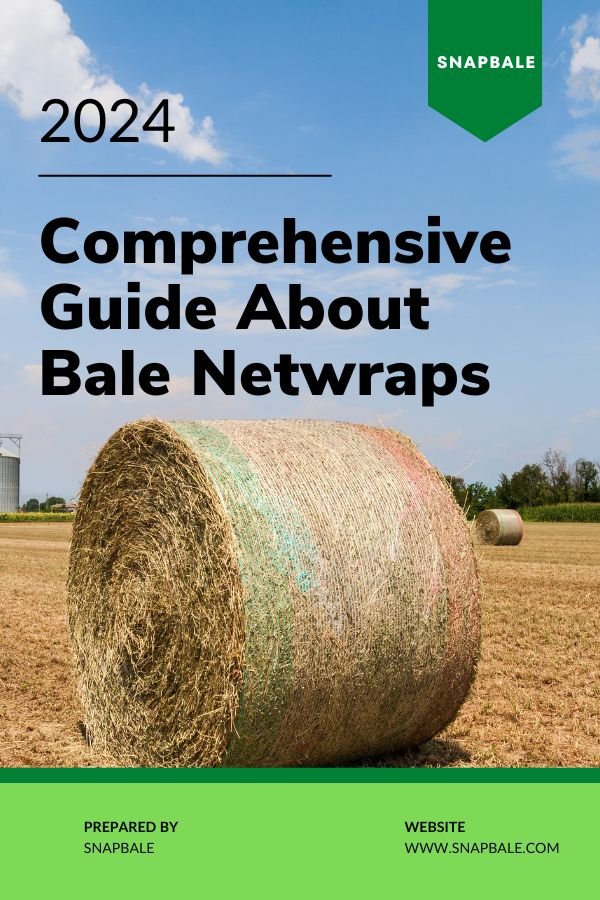
Download this page as a PDF File
Calculating the Import Cost Bale Nets
Product Cost
The first component of your import cost is the product cost itself. This is the price you pay to the supplier for the bale nets. It includes the base price of the nets, any customization charges (such as private labeling or specific dimensions), and additional features like UV stabilization or end-of-roll warning systems. To obtain this cost, request a detailed quotation from us that itemizes all charges related to the product.
Shipping and Freight Charges
Shipping and freight charges can vary significantly based on the mode of transport (sea, rail, or truck), the distance, and the logistics provider. For overseas shipments, sea freight is often the most economical option, especially for large volumes. Your supplier should provide an estimate of these charges, or you can obtain quotes from freight forwarders. These charges typically include the cost of transporting the goods from the our factory to the destination port.
Insurance
Insurance is an important aspect of importing goods, protecting you against potential losses or damages during transit. Insurance costs are usually calculated as a percentage of the total product cost and shipping charges. You can arrange for insurance through your freight forwarder or a third-party insurance provider. Ensure that the coverage is comprehensive and appropriate for the value of the goods.
Import Duties and Taxes
Import duties and taxes vary by country and are based on the Harmonized System (HS) code for the product. For bale nets, the HS code is 5608.1900.00. You can find the applicable duty rates by checking with your country’s customs authority or consulting with a customs broker. In addition to duties, you may also be liable for Value Added Tax (VAT) or Goods and Services Tax (GST), depending on your country’s tax regulations.
Customs Clearance Fees
Customs clearance fees are charges associated with processing your goods through customs. These fees cover the administrative costs of customs authorities and any inspections required. Working with a customs broker can help streamline this process and ensure that all documentation is correctly prepared. Customs brokers charge fees for their services, which should be factored into your overall import cost.
Port Handling and Delivery Charges
Once your goods arrive at the destination port, there will be additional charges for port handling and delivery to your final location. These charges include unloading the goods, storage at the port (if applicable), and transportation from the port to your warehouse or facility. Port handling fees can vary based on the port and the volume of goods. Delivery charges will depend on the distance from the port to your final destination and the mode of transport used.
Miscellaneous Fees
Miscellaneous fees can include costs for documentation, banking charges for international transactions, and other administrative expenses. It’s important to account for these smaller costs as they can add up. Ensure that you have a clear understanding of any potential additional charges by discussing them with your supplier, customs broker, and freight forwarder.
Manufacturing Process & Estimated Time
Embarking on the journey to secure your agricultural assets with hailproof nets marks the beginning of a meticulous and professional partnership. Here’s a detailed guide through each step of the process, designed with your needs and perspective at the forefront.
Step 1: Confirm Bale Net Product Order Details (3-7 days)
Once you have decided on the specifications for your bale net order, confirming the order details is the first crucial step. This involves finalizing the dimensions, color, and any customization options such as private labeling or specific features like UV stabilization. During this stage, we will also discuss the quantities required and the timeline for delivery. It is important to review the detailed quotation provided to ensure that all elements of your order are clearly understood and agreed upon. This step typically takes about 3-5 business days, depending on the complexity of the order and the clarity of communication. This thorough confirmation process ensures that there are no misunderstandings and that the final product meets your exact requirements.

Step 2: Arrange Samples (7-10 days)
Before proceeding with bulk production, arranging for samples is an essential step. This allows you to evaluate the quality and suitability of the bale nets for your specific needs. We will produce and send sample nets based on the confirmed specifications. This process generally takes about 7-10 business days. Once you receive the samples, you should test them under actual working conditions to ensure they perform as expected. Feedback from this testing phase can be used to make any necessary adjustments before full-scale production begins. Providing samples helps build confidence in the product and ensures it meets your expectations.

Step 3: Pay Deposit (within 1 day)
Upon approval of the samples, the next step is to pay the deposit as per the agreed payment terms. This payment confirms your commitment and allows us to allocate resources for your order. The deposit is typically a percentage of the total order value and is used to secure raw materials and schedule production time on our manufacturing lines. Processing the deposit usually takes about 1-2 business days. Prompt payment of the deposit ensures that there are no delays in starting the production process, keeping the entire project on schedule.

Step 4: Bulk Production (20-25 days)
With the deposit received and all details confirmed, we commence bulk production of your bale nets. Our advanced manufacturing facility in Shandong, equipped with more than 10 imported warp knitting machines, ensures high efficiency and precision in production. The production phase includes several stages: extrusion of HDPE, weaving, integration of UV stabilizers, and winding of the netting onto rolls. This process typically takes 20-30 business days, depending on the order size and any specific customization requirements. Our experienced technicians and stringent quality control measures ensure that each roll of bale netting is produced to the highest standards.

Step 5: Quality Inspection (3-5 days)
Quality is paramount in every step of our production process. Once bulk production is completed, we conduct a comprehensive quality inspection to ensure that the bale nets meet all specified criteria. This includes testing for tensile strength, UV resistance, and overall durability. Our automated quality control systems perform real-time monitoring, and any deviations are addressed immediately. This inspection process usually takes about 3-5 business days. Ensuring rigorous quality checks guarantees that the final product you receive is reliable and performs optimally in the field.

Step 6: Arrange Sea Transportation
After passing quality inspection, the next step is to arrange for sea transportation. We work closely with reputable logistics providers like Maersk to ensure your order is shipped efficiently and securely. This involves coordinating the shipment details, including packaging, loading, and securing the bale nets for transit. The logistics process also includes preparing all necessary shipping documentation, such as the bill of lading, commercial invoice, and packing list. Arranging and finalizing sea transportation typically takes about 1-2 business days. The actual shipping time will depend on the destination, but by partnering with reliable carriers, we aim to ensure timely and safe delivery of your bale nets.

Elevate Your Agricultural Success Now!
Embrace the security and peace of mind our hailproof nets offer; contact us today to transform how you protect your valuable crops.
A Brief Self-Nomination, Why Choose Snapbale
Step into a future safeguarded by our advanced hail net solutions, meticulously designed for your peace of mind. Trust in our decades of expertise to elevate your agricultural achievements.

- Our nets are backed by ISO9001:2008, REACH, TUV, FCC, and UL certifications, ensuring top quality.
- As the standard-setter in China's net industry, we lead with innovation.
- Ready to meet large-scale needs with a 5,000-ton annual output.
- Enhanced with imported BASF UV additives for longevity.
- Using Clariant color powder guarantees vibrant, lasting hues.
- Over 30 imported warp knitting machines ensure precision.
- Powered by 200+ seasoned engineers, we deliver unmatched expertise.
- 24 years in the business, committed to your agricultural success.

What They Say About Us?
Client Testimonials


The FAQs About Bale Nets
Our bale nets are made from high-density polyethylene (HDPE), a material renowned for its exceptional strength and durability. We source our HDPE from Sinopec, ensuring the highest quality. Additionally, our nets incorporate UV stabilizers from BASF, enhancing their resistance to sunlight and extending their lifespan. This combination of materials ensures that our bale nets are robust, reliable, and suitable for various agricultural applications.
Yes, our bale nets are UV stabilized. We integrate UV stabilizers from BASF into the HDPE during the production process. This stabilization protects the nets from degradation due to prolonged exposure to sunlight, ensuring they maintain their integrity and performance even under intense UV conditions. UV stabilization is crucial for preserving the quality and longevity of the nets, especially in sunny climates.
We offer bale nets in a variety of lengths and widths to meet different baling needs. Standard widths range from 1.2 meters to 1.3 meters, while the lengths can vary significantly based on your requirements. We provide customization options to fit specific baling equipment and operational needs, ensuring optimal coverage and efficiency for your baling operations.
Yes, you can customize the color of our bale nets. We understand that different operations may have specific color preferences for easy identification or branding purposes. Our customization options allow you to choose from a range of colors to suit your specific needs. Please discuss your color preferences with our sales team when placing your order.
We do offer private labeling options for our bale nets. Private labeling allows you to promote your brand by printing your brand name, logo, or specific information directly on the bale nets. This service is ideal for distributors and resellers looking to enhance their brand presence. Please contact us to discuss the private labeling options available and how we can tailor them to your branding requirements.
Our bale nets are designed with high tensile strength to withstand the rigors of baling, handling, and transport. While the exact tensile strength can vary based on specific product specifications, our nets are rigorously tested to ensure they meet industry standards and provide reliable performance. The high tensile strength ensures that the nets can securely wrap bales of various densities and sizes without tearing.
Yes, our bale nets are compatible with all types of round balers. We design our nets to fit a wide range of baling equipment, ensuring seamless integration and efficient performance. Whether you are using older models or the latest baling machines, our nets are engineered to work effectively with them. If you have specific compatibility concerns, please provide the details of your baler model, and we will confirm the suitability of our nets.
Placing an order for bale nets with us is straightforward. Simply contact our sales team via email, phone, or through our website’s contact form. Our team will guide you through the process, answering any questions you may have and helping you finalize the specifications for your order. We aim to make the ordering process as smooth and efficient as possible, ensuring that you receive the products you need promptly.
To place an order, please provide the following information:
- The specific product specifications, including dimensions, color, and any customization requirements.
- The quantity of bale nets you wish to order.
- Your delivery address and preferred shipping method.
- Contact information for coordination and any additional instructions or special requirements. Providing detailed information helps us process your order accurately and ensures that we meet your specific needs.
Yes, there is a minimum order quantity for bale nets to ensure efficient production and shipping. The exact minimum quantity can vary depending on the specific product and customization options. Please contact our sales team to discuss your order requirements, and they will provide you with the minimum order details relevant to your needs. We strive to accommodate both large and small orders while maintaining high-quality standards.
The production and shipping timeline for your order depends on several factors, including the size and complexity of the order, as well as the current production schedule. Generally, the process involves:
- Confirmation of order details: 3-5 business days.
- Production of samples (if requested): 7-10 business days.
- Bulk production: 20-30 business days.
- Quality inspection: 3-5 business days.
- Arranging sea transportation: 5-7 business days. Once production is complete, shipping times will vary based on your location and the chosen shipping method. Our team will provide you with a detailed timeline specific to your order to ensure transparency and effective planning.
Absolutely, you can request samples before placing a bulk order. We understand the importance of evaluating the product quality and suitability for your needs. To request samples, please contact our sales team with your specific requirements. We will produce and send the samples for you to test under actual working conditions. This allows you to make an informed decision and ensures that our bale nets meet your expectations before committing to a larger order.
Our bale nets are meticulously packaged to ensure they arrive at your location in perfect condition. Each roll is individually wrapped in durable plastic to protect against moisture and dust. The ends are reinforced with seals to prevent any damage during transit. For additional security and ease of handling, the rolls are stacked on plastic pallets or fumigation-free wooden pallets, depending on your preference. This packaging method ensures that the nets are stable and easy to transport, providing you with a seamless unloading and storage process upon arrival.
Yes, we offer multiple transportation options to meet your specific needs. Depending on your location and urgency, we can arrange for sea, rail, or truck transportation. Sea freight is often the most economical for large orders, while rail and truck options can provide faster delivery for certain regions. We partner with reputable logistics providers to ensure your bale nets are delivered safely and efficiently. Our logistics team will work with you to determine the best shipping method based on your requirements and destination.
Shipping times vary depending on the destination country and the chosen mode of transport. Generally, sea freight can take anywhere from 20 to 45 days, depending on the distance and shipping routes. Rail transport typically offers faster delivery times for landlocked regions and can take between 10 to 20 days. Truck transportation is often used for final delivery and can vary based on the distance from the port or rail terminal to your location. Once your order is confirmed, our logistics team will provide a detailed shipping timeline tailored to your specific destination.
Yes, we provide tracking numbers for all shipments to ensure you can monitor the progress of your order. Once your bale nets are dispatched, you will receive a tracking number along with instructions on how to track your shipment. This allows you to stay informed about the estimated delivery date and any potential updates during transit. Our logistics team is also available to assist with any questions or concerns you may have regarding the tracking of your shipment.
We include all necessary shipping documents to facilitate smooth customs clearance and delivery. The standard documents provided with your order include:
Commercial Invoice
Packing List
Bill of Lading or Air Waybill
Certificate of Origin (if required)
Any other documentation required by the destination country
These documents ensure that all regulatory and customs requirements are met, helping to prevent delays and ensuring a smooth import process.
Customs clearance can be handled either by us or by you, depending on your preference and local regulations. If you prefer, we can work with our customs brokers to manage the customs clearance process on your behalf, ensuring all documentation and compliance requirements are met. Alternatively, you can choose to handle customs clearance through your own broker. Our team will provide all necessary documents and support to facilitate the process. We are committed to making the import process as straightforward as possible for you.
If you encounter any issues with our bale nets, please contact our customer service team immediately. We are committed to resolving any problems you may face swiftly and effectively. Provide us with detailed information about the issue, including photos and descriptions, if possible. Our team will work with you to identify the cause of the problem and offer a suitable solution. Your satisfaction is our top priority, and we are here to ensure you have a positive experience with our products.
Our bale nets are priced based on several factors, including the type of material, dimensions, customization options, and order quantity. We strive to offer competitive pricing while maintaining the highest standards of quality. Each quotation is tailored to your specific requirements and includes all costs related to production, customization, packaging, and shipping. We provide transparent pricing to ensure there are no hidden fees or surprises. For a detailed quote, please contact our sales team with your specific needs, and we will be happy to provide you with comprehensive pricing information.
(2024) Comprehensive Guide of Bale Netwraps
Welcome to our comprehensive guide to importing bale nets, designed to make your purchasing experience seamless and efficient. This guide walks you through every step of the process, from understanding your specific crop needs and selecting the right bale netting, to choosing a reliable supplier and managing logistics. You’ll learn how to request samples, finalize your purchase, and ensure compliance with customs regulations using the correct HS code. We also cover important aspects like inspecting your shipment upon arrival, providing feedback, and planning for future orders. Our goal is to provide you with all the information and support you need to secure high-quality bale nets that meet your exact requirements, enhancing your agricultural operations and ensuring a smooth import experience.
Table of Content
- 1. Definition of Bale Netwrap
- 2. Mainstream Materials of Bale Nets
- 3. How to Choose the Most Suitable Bale Net GSM
- 4. Mesh Size Analysis
- 5. Impact of Anti-UV Additives on Service Life
- 6. Tensile Strength of Bale Nets
- 7. Popular Widths and Lengths
- 8. How efficient is the bale net?
- 9. What is End of Roll Marking?
- 10. Complete Overseas Ordering Guide
- 11. HS Code Reference
1. What is Bale Netwrap?
Bale nets are specialized agricultural materials used in the process of baling to secure and protect various crops, such as hay, straw, and silage. Manufactured from high-density polyethylene (HDPE) and often treated with UV stabilizers, bale nets are designed to withstand the rigors of agricultural operations, including handling, transportation, and storage.
The primary function of bale nets is to maintain the structural integrity of bales by providing uniform and consistent coverage. This ensures that the bales retain their shape and are protected from environmental elements such as moisture and UV radiation. Bale nets are compatible with a wide range of round balers and are engineered for ease of application, unwinding smoothly and wrapping securely around the bale.
In addition to their use in agriculture, bale nets are also employed in other applications, such as erosion control and landscaping, where they help stabilize soil and promote vegetation growth. The versatility, durability, and efficiency of bale nets make them an essential component in modern agricultural practices.
1.1 Can bale nets be used for both dry and wet hay?
Yes, bale nets can be used for both dry and wet hay, provided they possess the necessary strength, durability, and resistance to environmental factors. High-quality bale nets made from high-density polyethylene (HDPE) with UV stabilizers are designed to handle the varying conditions associated with both types of hay.
For dry hay, which typically has a moisture content of 10-20%, the netting maintains bale shape, prevents loss during handling, and protects from environmental elements. For wet hay or silage, with moisture content around 40-60%, the netting must have enhanced tensile strength to withstand the additional weight and density, ensure tight compression for proper fermentation, and resist moisture without deteriorating.
Choosing versatile and robust bale nets ensures optimal performance and protection for both dry and wet hay baling operations.
| Aspect | Dry Hay | Wet Hay (Silage) |
|---|---|---|
| Moisture Content | 10-20% | 40-60% |
| Handling and Storage | Lighter and less dense, easier to handle and store | Heavier and denser, requires stronger netting |
| Netting Performance | Maintains bale shape, prevents loss during handling and transport, protects from environmental elements | Supports fermentation by ensuring tight wrapping, minimizes air ingress |
| Strength and Durability | Adequate tensile strength to secure hay without breaking | Higher tensile strength to withstand additional weight and density |
| UV Resistance | Protection from sunlight to prevent degradation | Same UV protection to ensure longevity |
| Uniform Coverage | Ensures entire bale is uniformly wrapped | Critical for tightness to support fermentation process |
| Enhanced Strength | Not specifically required | Necessary due to additional weight and density |
| Moisture Resistance | Not specifically required | Must perform well in moist conditions without deteriorating |
| Tight Compression | Not specifically required | Ensures tight wrapping to promote anaerobic fermentation |
| Compatibility and Versatility | High-quality nets designed for both dry and wet hay | High-quality nets designed for both dry and wet hay |
| Material Quality | HDPE with UV stabilizers | HDPE with UV stabilizers |
| Performance and Durability | Standard nets generally suitable, specialized nets may be preferred | Standard nets generally suitable, specialized nets may be preferred |
2. What are the mainstream materials of bale nets?
Bale nets are primarily made from materials that offer a balance between strength, durability, and flexibility. The most common materials used in the manufacturing of bale nets are high-density polyethylene (HDPE) and low-density polyethylene (LDPE). These materials are chosen for their excellent mechanical properties, resistance to environmental factors, and ease of processing.
Additionally, these materials are often treated with UV stabilizers to enhance their longevity when exposed to sunlight. The choice of material impacts the netting’s performance, cost, and suitability for different applications.
Detailed Comparison of Mainstream Materials
| Aspect | HDPE | LDPE |
|---|---|---|
| Density and Strength | High density, offering superior tensile strength and durability. Suitable for heavy-duty applications. | Lower density compared to HDPE, providing flexibility but less tensile strength. More suited for lightweight applications. |
| Flexibility | Moderate flexibility, maintaining structural integrity under stress. | High flexibility, making it easier to handle and wrap around bales, but less resistant to tearing. |
| UV Resistance | Excellent UV resistance when treated with stabilizers, ensuring long-term outdoor use. | Good UV resistance with stabilizers, but generally less durable than HDPE under prolonged exposure. |
| Environmental Impact | Recyclable and can be manufactured to be environmentally friendly. | Also recyclable, but often considered less sustainable due to lower durability. |
| Cost | Generally higher cost due to superior strength and durability. | Lower cost, making it a more economical option for less demanding applications. |
| Common Applications | Used in standard and heavy-duty bale nets, suitable for both dry and wet hay. Ideal for applications requiring high strength and durability. | Used in lightweight bale nets, suitable for dry hay and applications where flexibility and cost are primary concerns. |
Key Features and Benefits
| Feature | HDPE | LDPE |
|---|---|---|
| Density | High | Low |
| Tensile Strength | High, suitable for heavy-duty use | Moderate, suitable for lightweight use |
| Flexibility | Moderate | High |
| UV Resistance | Excellent with stabilizers | Good with stabilizers |
| Environmental Impact | Recyclable, longer lifespan | Recyclable, shorter lifespan |
| Cost | Higher | Lower |
| Typical Applications | Dry and wet hay, erosion control | Dry hay, cost-sensitive applications |
By understanding the properties and benefits of HDPE and LDPE, you can make informed decisions based on their specific needs, balancing cost, durability, and performance.
3. How to Choose the Most Suitable Bale Net GSM?
Choosing the appropriate bale net GSM (grams per square meter) is crucial for ensuring optimal performance and cost-efficiency in baling operations. The GSM of bale netting affects its strength, durability, and suitability for different types of crops and baling conditions. Here is a step-by-step guide to help you select the most suitable bale net GSM for their needs.
Step 1: Understand Your Crop Type and Conditions
1. Identify the Crop:
- Determine whether you are baling dry hay, wet hay (silage), straw, or other crops.
- Note the typical moisture content of the crop, as this will influence the required strength and durability of the netting.
2. Assess Baling Conditions:
- Consider the weight and density of the bales. Heavier and denser bales, such as those of silage, require stronger netting.
- Evaluate the environmental conditions, including exposure to UV rays, moisture, and handling stresses.
Step 2: Determine the Required Strength
1. Tensile Strength:
- For heavier and wetter crops (like silage), higher GSM netting is necessary to provide the required tensile strength to prevent tearing and maintain bale integrity.
- For lighter crops (like dry hay), a lower GSM netting may be sufficient, offering cost savings without compromising performance.
Step 3: Evaluate Longevity Needs
1. UV Resistance:
- If bales will be stored outside for extended periods, opt for a higher GSM with UV stabilizers to ensure the netting remains durable under sunlight exposure.
2. Durability:
- High GSM netting offers better resistance to physical damage during handling and transport, which is crucial for long-term storage and frequent movement.
Step 4: Balance Cost and Performance
1. Cost Considerations:
- Higher GSM netting typically costs more but offers greater durability and strength.
- Balance the need for high performance with budget constraints. Choose the highest GSM that fits within your budget while meeting your performance requirements.
Step 5: Check Compatibility with Equipment
Baler Compatibility:
- Ensure the chosen GSM is compatible with your baling equipment. Most modern balers are designed to handle a range of GSM specifications, but it's essential to confirm this to avoid operational issues.
Step 6: Consult Manufacturer Guidelines
Manufacturer Recommendations:
- Refer to the manufacturer’s guidelines for recommended GSM based on specific crop types and baling conditions.
- Manufacturers often provide detailed advice on the most suitable GSM for various applications.
Recommended GSM for Different Applications
- GSM Range: 9-12 grams per square meter
- Recommendation: 10 GSM netting provides adequate strength for dry hay, ensuring cost-efficiency and sufficient durability.
- GSM Range: 13-16 grams per square meter
- Recommendation: 14 GSM netting is ideal for silage, offering the necessary tensile strength to handle high moisture content and dense bales.
- GSM Range: 9-12 grams per square meter
- Recommendation: 10 GSM netting works well for straw, balancing cost and performance for lightweight bales.
- GSM Range: 15-18 grams per square meter
- Recommendation: 16 GSM netting is recommended for heavy and dense crops, providing maximum strength and durability.
By following these steps, you can confidently select the most suitable bale net GSM for your specific agricultural needs, ensuring efficiency, durability, and cost-effectiveness in their baling operations.
4. Mesh Size of Bale Nets: Comprehensive Analysis
The mesh size of bale nets is a critical factor that influences their performance in securing and protecting baled crops. Mesh size refers to the dimensions of the openings within the netting material. Different mesh sizes offer various benefits and drawbacks depending on the type of crop, baling conditions, and specific requirements of the agricultural operation. Understanding the impact of mesh size on the functionality and efficiency of bale nets can help in selecting the most appropriate option for different applications.
| Feature | Small Mesh Size | Medium Mesh Size | Large Mesh Size |
|---|---|---|---|
| Containment | Excellent for fine materials | Good balance for various crops | Less effective for fine materials |
| Strength | High due to dense mesh points | Adequate for most applications | Lower tensile strength due to fewer mesh points |
| Breathability | Lower, less airflow | Moderate, balanced airflow | High, better airflow |
| Cost | Higher | Moderate | Lower |
| Applications | Fine materials, dry hay, erosion control | General-purpose baling, mixed crops | Straw, coarse materials, drying applications |
| Advantages | Reduced material loss, enhanced bale integrity | Cost-effective, versatile | Lower cost, enhanced flexibility |
| Disadvantages | Higher cost, potential over-tightening | Not specialized for fine materials | Less containment, reduced protection |
Choosing the right mesh size for bale nets depends on the specific requirements of the baling operation, including the type of crop, handling and storage conditions, and budget constraints. Small mesh size nets are ideal for fine materials and high containment needs, while medium mesh size nets offer versatility and cost-effectiveness for general-purpose use. Large mesh size nets provide better breathability and flexibility, suitable for coarse materials and applications where drying is necessary.
5. Impact of Anti-UV Additives on Service Life
The service life of bale nets is significantly influenced by the presence and percentage of anti-UV additives incorporated during the manufacturing process. These additives, such as UV stabilizers, play a crucial role in protecting the netting material from degradation due to prolonged exposure to sunlight.
The amount of anti-UV additives determines how well the netting withstands UV radiation, directly impacting its durability and effectiveness over time.
| Percentage of Anti-UV Additives | Level of Protection | Service Life (Months) | Suitable Applications |
|---|---|---|---|
| 1-2% | Basic | 6-12 | Indoor storage, short-term use |
| 3-5% | Moderate | 12-24 | General use, seasonal outdoor storage |
| 6-8% | High | 24-48 | High UV areas, long-term outdoor storage |
| 9-10% | Maximum | 48-60 | Extreme conditions, extended outdoor storage |
The service life of bale nets is closely linked to the percentage of anti-UV additives incorporated during their production. Higher percentages of UV stabilizers significantly enhance the durability and longevity of the netting, making it suitable for more demanding conditions and longer storage periods.
6. Tensile Strength of Bale Nets
Tensile strength is a critical parameter for bale nets, determining their ability to withstand the forces applied during the baling process and subsequent handling and storage. It directly affects the netting’s performance in securing and protecting baled crops.
Factors Affecting Tensile Strength
- High-Density Polyethylene (HDPE): HDPE is commonly used for its high tensile strength and durability. It is resistant to stretching and breaking under heavy loads.
- Low-Density Polyethylene (LDPE): LDPE is more flexible but has lower tensile strength compared to HDPE. It is used in applications where flexibility is more critical than strength.
- Extrusion and Knitting: Advanced manufacturing techniques, such as extrusion and knitting, contribute to uniformity and strength in the netting.
- Quality Control: Rigorous testing and quality assurance ensure that the nets meet specified tensile strength standards.
- UV Stabilizers: While primarily for UV resistance, these additives can also enhance the overall durability of the netting.
- Other Stabilizers: Additional chemical treatments can further increase tensile strength and resistance to environmental factors.
Practical Considerations for Customers
- Heavy Crops: For crops like silage and wet hay, which are heavier and denser, nets with higher tensile strength are essential to prevent tearing.
- Light Crops: For lighter crops like dry hay, nets with moderate tensile strength may be sufficient.
- Frequent Handling: Bales that are frequently moved or transported require nets with high tensile strength to withstand the additional stress.
- Long-Term Storage: Nets used for long-term outdoor storage should have high tensile strength to maintain integrity over time, especially in variable weather conditions.
- Ease of Application: Nets with appropriate tensile strength are easier to apply and secure, reducing labor time and effort.
- Minimizing Losses: High tensile strength nets prevent material loss during handling and transport, protecting the crop and ensuring operational efficiency.
| Feature | Low Tensile Strength (< 10 MPa) | Medium Tensile Strength (10-20 MPa) | High Tensile Strength (> 20 MPa) |
|---|---|---|---|
| Material | Typically LDPE or blended materials | Primarily HDPE with some additives | HDPE with advanced additives and treatments |
| Suitable Crops | Lightweight, dry crops | General-purpose, suitable for most crops | Heavy, dense crops like silage and wet hay |
| Handling Conditions | Minimal handling, indoor storage | Moderate handling, short to medium-term storage | Frequent handling, long-term outdoor storage |
| Cost | Lower cost, less durable | Moderate cost, balanced durability | Higher cost, maximum durability |
| Operational Efficiency | Suitable for less demanding operations | Suitable for most general agricultural operations | Suitable for intensive agricultural operations |
| Risk of Tearing | Higher risk, suitable for low-stress use | Moderate risk, suitable for moderate stress | Low risk, suitable for high-stress use |
The service life of bale nets is closely linked to the percentage of anti-UV additives incorporated during their production. Higher percentages of UV stabilizers significantly enhance the durability and longevity of the netting, making it suitable for more demanding conditions and longer storage periods.
7. Popular Widths and Lengths
The width and length of bale nets are crucial parameters that determine their suitability for different baling operations and equipment. These dimensions affect how efficiently and effectively the nets can be used, impacting both the ease of application and the overall performance in securing and protecting the bales.
7.1 Popular Widths of Bale Nets
48 Inches (1.22 Meters)
The 48-inch width is one of the most commonly used sizes in the industry, providing a standard width that fits a wide range of round balers.
- Versatility: Compatible with a vast majority of baling machines, making it a preferred choice for many farmers and agricultural operations.
- Adequate Coverage: Offers sufficient coverage to secure and protect standard-sized round bales, ensuring that the entire bale is wrapped and protected from environmental elements.
- Ease of Handling: The manageable width makes it easy to handle and apply, reducing labor time and effort during the baling process.
- Dry Hay: Suitable for baling dry hay, providing a secure wrap that maintains the shape and quality of the bale.
- Straw: Commonly used for straw bales, offering protection and maintaining the integrity of the bale during handling and storage.
- Silage: Effective for silage bales, providing the necessary strength and coverage to handle the higher moisture content and density.
51 Inches (1.30 Meters)
Slightly wider than the 48-inch net, the 51-inch width offers additional coverage and is suitable for larger bales.
- Enhanced Coverage: The extra width ensures complete coverage of larger bales, reducing the risk of material loss and providing better protection against weather conditions.
- Flexibility: Provides flexibility in baling operations, allowing for the secure wrapping of both standard and slightly larger bales.
- Improved Bale Integrity: Ensures that the bale maintains its shape and quality during storage and transportation.
- Heavier Crops: Ideal for baling heavier and denser crops, such as silage, where additional coverage and strength are required.
- Large Round Bales: Suitable for operations that produce larger round bales, ensuring full coverage and protection.
67 Inches (1.70 Meters)
The 67-inch width is used for specific applications where extra-large bales are produced, providing maximum coverage and protection.
- Maximum Coverage: Ensures complete wrapping of very large bales, protecting them from environmental elements and reducing the risk of spoilage.
- Commercial Use: Often used in commercial baling operations where large-scale baling is conducted.
- High Efficiency: Reduces the number of wraps needed, thereby saving time and increasing efficiency in baling operations.
- Extra-Large Bales: Suitable for very large bales, often used in commercial farming and large-scale agricultural operations.
- Specialized Crops: Ideal for specific crops that require larger bales and enhanced protection.
7.2 Popular Lengths of Bale Nets
The length of bale nets is a crucial factor that influences operational efficiency, cost-effectiveness, and ease of use in baling operations. Different lengths cater to various scales of farming and specific needs, such as the frequency of roll changes and the volume of bales produced.
| Parameter | 3000 Meters | 3600 Meters | 4000 Meters |
|---|---|---|---|
| Description | Standard length, widely used | Longer length, reduced roll changes | Longest standard length, maximum efficiency |
| Advantages | Balanced cost and efficiency, manageable size | Reduced downtime, higher efficiency, cost savings | Minimum roll changes, high productivity, long-term economical |
| Applications | Medium to large farms, general crops, seasonal use | Large farms, continuous operations, variety of crops | Very large farms, commercial operations, high-volume crops, extended storage |
8. How efficient is the bale net?
The efficiency of bale netting is one of its major advantages, especially when compared to other methods like twine.
Reduced Wrapping Time
- Quick Application: Bale netting typically requires fewer wraps around the bale to achieve the same level of coverage and security as other materials, such as twine. This reduction in the number of wraps directly translates into faster baling operations.
- Less Machine Wear and Tear: Fewer rotations also mean less mechanical wear on the baler, potentially extending its operational lifespan and reducing maintenance costs.
Increased Throughput
- Faster Baling Process: Because each bale takes less time to wrap, more bales can be processed in the same amount of time. This efficiency is crucial during peak baling seasons when timing and productivity are essential to capitalize on optimal weather conditions.
- Streamlined Operations: Faster baling allows for smoother workflow and logistics during harvesting, reducing the time that equipment and labor are required in the field.
Improved Material Use
- Reduced Material Consumption: Using only 2-3 turns of netting not only speeds up the process but also uses less material compared to traditional methods. This can result in significant cost savings over time, especially for large-scale operations.
- Consistency in Use: Consistent application of 2-3 wraps ensures a uniform look and protection level across all bales, which can be important for quality control and customer satisfaction.
Enhanced Bale Integrity and Protection
- Secure Coverage: Netting provides a tight and secure wrap that helps maintain the bale's shape and protects it from the elements, reducing losses due to exposure or disintegration during handling and transport.
- Improved Storage and Handling: Well-wrapped bales are easier to stack, store, and transport, which enhances overall logistical efficiency.
Practical Considerations
- Compatibility with Balers: Ensure that your baling machine is compatible with the netting you intend to use. Some balers might need adjustments or specific settings to optimize the use of netting and achieve the 2-3 turns efficiently.
- Training for Operators: Operators should be trained on the correct use of netting in baling machines to maximize efficiency and avoid issues such as netting wastage or improperly secured bales.
- Quality of Netting: Not all bale netting is created equal. The strength, elasticity, and quality of the netting can affect how well it performs, including how many turns are truly needed for secure wrapping.
The efficiency of bale netting not only speeds up the baling process but also enhances the overall economic and operational efficiency of agricultural baling activities.
9. What is End of Roll Marking?
End of Roll Marking refers to a visual or tactile signal incorporated into the netting that indicates the approaching end of the net roll. This marking is usually placed a specific distance from the end of the roll, providing operators with sufficient advance notice to prepare a replacement roll.
How End of Roll Marking Works?
1. Visual Markings
- Color Change: The most common method involves a change in color of the netting a few meters before the end. For example, if the netting is normally black, the end-of-roll section might be red or blue.
- Stripes or Patterns: Alternatively, some manufacturers use stripes, patterns, or text along the netting to indicate the end of the roll.
2. Tactile Markings
- Textured Changes: Some net rolls include a tactile change in the netting, such as a thicker or ribbed section, which can be detected by the baler or by the operator manually.
Benefits of End of Roll Marking
1. Operational Efficiency
- Minimize Downtime: By providing a clear warning about the end of the roll, operators can prepare and load new rolls without significant interruption to the baling process.
- Smooth Operations: Ensures that baling operations can continue smoothly with minimal supervision, reducing the labor required to monitor net levels.
2. Cost Management
- Reduce Waste: Operators can plan the changeover of rolls without having to discard leftover netting that is too short to wrap a complete bale.
- Better Inventory Management: Knowing exactly when rolls are going to end helps with more accurate inventory control and ordering processes.
3. Safety
- Prevents Equipment Stress: Sudden run-outs of netting can cause operational stress on the baler, potentially leading to mechanical issues or damage. Advance warnings help avoid these scenarios.
Practical Implementation
- Advance Warning Distance: The typical distance for end-of-roll warnings varies by manufacturer but is generally about 50 to 150 meters from the actual end of the roll. This gives enough lead time for the operator to react and prepare a new roll.
- Standardization: While not all netting products feature end-of-roll markings, it is becoming a standard in higher-quality offerings, reflecting manufacturers' commitment to usability and customer efficiency.
End of Roll Marking is a small yet significant feature in bale netting that plays a crucial role in enhancing the efficiency and smooth operation of baling activities. When purchasing bale netting, considering products with end-of-roll marking can lead to better operational outcomes and overall satisfaction.
10. Comprehensive Guide for Importing Bale Nets
Navigating the process of importing hail control nets from China requires careful planning and understanding of various steps to ensure a smooth transaction and delivery. We provide a comprehensive guide tailored for overseas buyers, outlining key steps in the ordering process.
Step 1. Assessing Your Requirements
A. Determine Your Crop Needs
Understanding the specific requirements of your crops is the first step in selecting the right bale netting. Are you baling hay, straw, or silage? Different crops may require different types of netting due to their unique properties. For example, silage may need stronger netting due to its moisture content.
B. Evaluate Bale Dimensions and Density
Measure the dimensions and density of the bales you produce. Knowing the exact size and weight of your bales will help you choose netting that provides a secure wrap, ensuring that the bales maintain their integrity during handling and storage.
C. Estimate Quantities Needed
Calculate the total amount of bale netting required for your operations. Consider the length of the rolls you need and the number of bales you produce each season. This ensures you have a sufficient supply to cover your entire baling period.
Step 2: Selecting the Right Product
A. Choosing the Ideal Bale Net
Material Quality: Look for bale nets made from high-density polyethylene (HDPE), which offers excellent strength and durability. Snapbale nets use HDPE sourced from Sinopec, a leading supplier known for its high-quality materials.
UV Protection: Ensure the netting includes UV stabilizers to prevent degradation from sunlight. Snapbale incorporates UV stabilizers from BASF to enhance the longevity of our nets.
Durability: Check the tensile strength and overall durability. You need netting that can withstand the pressures of baling, handling, and storage without tearing.
B. Customization Options
Dimensions: Choose the lengths and widths that fit your baling equipment. Custom sizes can help you optimize efficiency and reduce waste.
Color and Branding: Select from a variety of colors for easy identification and consider private labeling options to promote your brand.
Special Features: Look for additional features like end-of-roll warning systems and total cover technology to ensure complete coverage and efficient baling.
Step 3: Sample Evaluation
3. Identifying a Reliable Supplier
A. Research Potential Suppliers
Spend time researching potential suppliers. Look for manufacturers with a solid reputation, positive customer reviews, and a proven track record in the industry.
Experience: Choose suppliers with extensive experience in the bale netting industry. Experienced suppliers are more likely to deliver consistent quality and reliable service.
B. Assess Customer Service
Evaluate the supplier’s customer service. Responsive and helpful customer service is crucial for addressing any questions or concerns you may have throughout the purchasing process. Snapbale’s dedicated customer support team is always ready to assist you.
Step 4: Requesting Samples and Quotes
A. Obtain Product Samples
Request samples to evaluate the quality and suitability of the bale nets. Test the samples under your specific conditions to ensure they meet your needs.
B. Detailed Quotation
Request a detailed quote that includes product specifications, pricing, and terms. Make sure the pricing is transparent and includes all costs, such as customization, packaging, and shipping. This will help you avoid any unexpected charges.
Step 5: Finalizing the Purchase
A. Negotiating Terms
Discuss and agree on payment terms. Options like flexible payment schedules or currency stabilization can help manage financial risks. Confirm lead times and delivery schedules to ensure timely receipt of your order.
B. Placing the Order
Provide clear and detailed specifications for your order, including any customization requirements. Confirm all order details in writing to avoid misunderstandings. This ensures that you get exactly what you need.
Step 6: Managing Logistics
A. Arranging Shipping
Coordinate with your supplier to determine the best shipping method (sea, rail, or truck) based on your location and urgency. Reliable logistics providers ensure secure and timely delivery. Snapbale partners with reputable companies like Maersk for sea transport, ensuring your products arrive safely and on time.
B. Documentation and Compliance
Ensure all necessary documentation is in place, including certificates of origin, inspection reports, and compliance certificates. Verify that the shipment complies with the import regulations of your country to avoid delays and additional costs. Our team at Snapbale ensures all paperwork is correctly prepared for smooth customs clearance.
C. Tracking and Monitoring
Use advanced tracking systems to monitor your shipment’s progress. Stay in communication with the logistics provider and supplier to manage any potential issues during transit. We provides real-time updates on your shipment status, keeping you informed at every step.
Step 7: Receiving and Inspecting the Shipment
A. Inspect the Delivery
Upon arrival, thoroughly inspect the bale nets to ensure they meet the agreed specifications and quality standards. Report any discrepancies or issues to the supplier immediately for prompt resolution. This ensures that you receive the high-quality products you expect.
B. Storing the Products
Store the bale nets in a clean, dry place to maintain their quality and durability until use. Proper storage is essential to protect your investment and ensure the netting performs as expected.
Step 7: Providing Feedback and Planning Future Orders
A. Share Your Feedback
Provide feedback to the supplier regarding the product quality and overall purchasing experience. This helps the supplier improve their products and services. We value customer feedback and uses it to continually enhance our offerings.
B. Plan for Future Purchases
Based on your experience, plan for future orders to ensure a continuous supply of bale nets. Discuss long-term requirements and potential bulk order discounts with the supplier. We aim to build long-term relationships with our customers, offering consistent quality and reliable supply.
Conclusion
By following this comprehensive guide, you can navigate the process of importing bale nets effectively. From understanding your needs to selecting the right product, choosing a reliable supplier, and managing logistics, this step-by-step approach ensures that you secure high-quality bale netting that meets your agricultural needs and supports your operations efficiently.
11. HS Code Reference
The Harmonized System (HS) code is a standardized numerical method of classifying traded products. It is used internationally to ensure that customs authorities can identify and apply the correct tariffs and regulations to goods being imported and exported. For bale nets, the relevant HS code for China’s export is 5608.1900.00. This code is crucial for smooth and accurate customs clearance.
Why is the HS Code Important?
1. Accurate Tariff Calculation
- The HS code determines the applicable tariffs and duties for your bale nets. By using the correct code, you ensure that you are paying the appropriate amount of duties, avoiding overcharges or fines.
2. Compliance with Regulations
- Customs authorities use HS codes to enforce regulations and ensure compliance with international trade laws. Proper classification under the correct HS code helps you comply with all necessary regulations and avoids potential legal issues.
3. Efficient Customs Clearance
- An accurate HS code facilitates faster customs clearance. When customs officials can quickly and correctly identify your product, it reduces the likelihood of delays, ensuring that your shipment reaches its destination on time.
4. Simplified Trade Documentation
- HS codes are a universal language in trade documentation, making it easier to process and verify documents. This uniformity helps in preparing invoices, packing lists, and other necessary documentation for customs clearance.
How to Use the HS Code for Customs Clearance
1. Include the HS Code in Your Documentation
- Ensure that the HS code 5608.1900.00 is included on all relevant trade documents, such as the commercial invoice, packing list, and bill of lading. This helps customs officials quickly identify the product and process your shipment efficiently.
2. Work with Your Customs Broker
- If you are using a customs broker, provide them with the correct HS code. They will use this information to classify your bale nets correctly and calculate the appropriate duties and taxes. A knowledgeable customs broker can help navigate any complexities and ensure compliance.
3. Verify the HS Code with Local Authorities
- Before shipping, it is a good practice to verify the HS code with the customs authorities in the destination country. Different countries may have specific requirements or interpretations of HS codes, and verifying ensures there are no surprises during clearance.
4. Keep Updated with Changes
- HS codes can occasionally be updated or reclassified. Stay informed about any changes to the HS code classification for bale nets to ensure ongoing compliance. Regularly check with your supplier or customs broker for updates.
5. Ensure Accurate Product Description
- Alongside the HS code, provide a detailed and accurate description of your bale nets on all documentation. This includes material composition, dimensions, and any special features. Clear and precise descriptions support the HS code classification and aid in swift customs processing.
Wrap-Up
By understanding and correctly using the HS code 5608.1900.00 for bale nets, you streamline the customs clearance process, ensure compliance with international trade regulations, and avoid unnecessary delays or penalties.